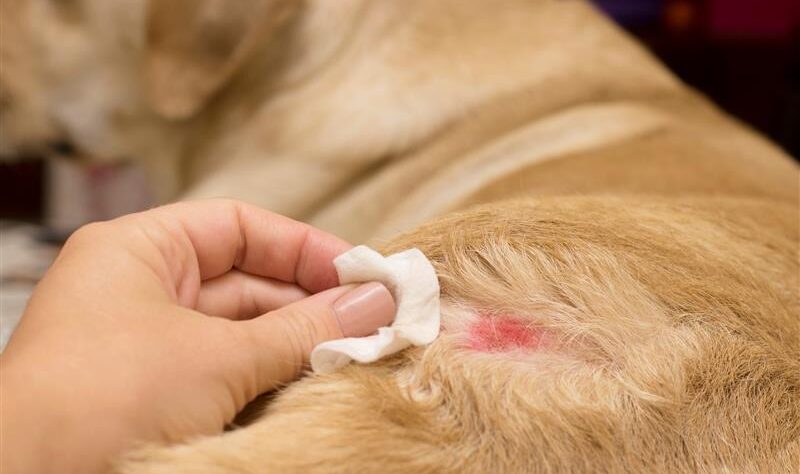
Itchy skin in dogs and cats is a very common condition that many pet owners encounter. When itchy, dogs and cats often constantly scratch, bite, lick their bodies, rub against walls or objects, causing skin damage, hair loss, and easy infection. If left untreated, the condition can be prolonged and seriously affect the pet’s health.
So what are the causes of itchy skin in dogs and cats and how to treat it effectively? Let’s find out in the article below.
Signs of Itchy Skin in Dogs and Cats
When experiencing itchy skin, dogs and cats often show easily recognizable signs such as:
- Constant scratching with their paws
- Repeated biting or licking in one spot
- Patchy hair loss
- Red, rashy, or scaly skin
- Foul odor on the skin
- Appearance of scratches
- Frequent rolling or rubbing against objects
If you see your pet exhibiting these signs for several days, you should check and treat them early to prevent the condition from worsening.
Causes of Itchy Skin in Dogs and Cats
Ticks, Fleas, and Mites
This is the most common cause of itching in dogs and cats. Ticks and fleas suck blood, causing discomfort, intense itching, and easily leading to dermatitis.
Especially in hot and humid weather, parasites multiply rapidly if pets are not regularly cleaned.
Food Allergies
Some dogs and cats have sensitive constitutions to foods such as seafood, chicken, milk, or foods with many preservatives. Allergies cause redness, rashes, and persistent itching.
Fungal Skin Infections
Fungal skin infections often cause circular hair loss, peeling skin, and constant itching. The disease is easily spread to other pets if not treated promptly.
Environmental Dermatitis
Hot and humid weather, dirty living spaces, or infrequent cleaning are also causes of dermatitis, irritation, and itching in dogs and cats.
Incorrect Bathing Techniques
Using unsuitable shampoos or bathing too frequently can strip the skin of its natural oils, leaving it dry and easily irritated.
Treatment for Itchy Skin in Dogs and Cats
Regular Body Hygiene
Regular bathing helps remove dirt, bacteria, and parasites from your pet’s skin. Use specialized shampoos for dogs and cats to avoid irritation.
After bathing, thoroughly dry and blow-dry the fur, especially in areas prone to moisture such as between the toes, belly, and ears.
Tick and Flea Control
If your pet has ticks or fleas, you should:
- Use tick and flea drops or spray
- Wash bedding and sleeping areas regularly
- Clean the living environment regularly
- Use tick and flea collars if needed
Treating the living environment simultaneously will help limit re-infestation.
Dietary Adjustments
For food allergies, you should:
- Avoid foods suspected of causing allergies
- Supplement with vitamins and omega-3s to improve skin health
- Ensure your pet drinks enough water
- Limit foods that are too salty or greasy
A proper diet will help boost immunity and effectively improve skin condition.
Use Medication as Directly as a Veterinarian
If your dog or cat has severe itching, dermatitis, or a persistent fungal infection, you should take them to a veterinarian for examination.
Depending on the condition, the veterinarian may prescribe:
- Topical medications
- Antifungal medications
- Antiallergic medications
- Antibiotics if there is an infection
Do not self-medicate your pet with human medication as it can be dangerous.
Maintain a Clean Living Environment
A clean living environment helps limit the growth of bacteria and parasites. Pet owners should:
- Wash bedding and beds regularly
- Keep floors clean
- Keep living spaces dry and well-ventilated
- Avoid letting pets lie in damp or dirty areas
This is a simple but very effective way to prevent skin diseases.
How to Prevent Itchy Skin in Dogs and Cats
To limit the recurrence of itchy skin, you need to:
- Bathe and brush regularly
- Use flea and tick medication regularly
- Feed quality food
- Ensure complete vaccinations
- Check your pet’s skin and fur regularly
Proper care will help dogs and cats have healthy coats and reduce skin diseases.
Conclusion
Itchy skin in dogs and cats is not only uncomfortable but also significantly affects their health if left untreated. Identifying the correct cause and treating it promptly will help dogs and cats recover quickly, reduce hair loss, and prevent infection.
Besides treatment, owners also need to pay attention to hygiene, nutrition, and living environment to effectively prevent the disease. If your pet shows signs of persistent or worsening itching, take it to the veterinarian for proper examination and treatment.